
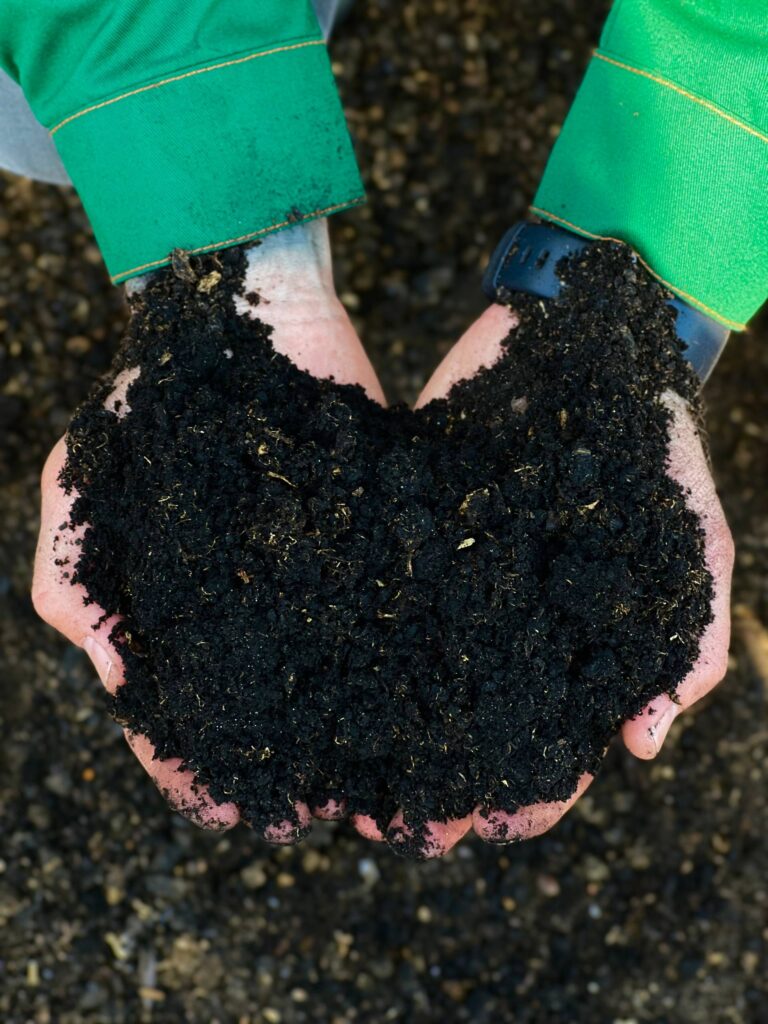
Lowland Peat: Properties, Applications, and 5 Interesting Facts
Lowland peat properties and uses are widely studied in agriculture due to its effectiveness in improving soil quality. Lowland peat is a natural organic material used in farming, horticulture, greenhouse production, and land restoration.
What Is Lowland Peat?
Lowland peat is formed in river floodplains, wetlands, and low-lying areas with constant groundwater supply. Compared to high-moor peat, it has several distinct characteristics:
- higher ash content
- greater concentration of nutrients
- slightly acidic to near-neutral pH level
These properties make lowland peat highly востребований in the agricultural sector.
Main Properties of Lowland Peat
- pH level: 5.0–6.5
- high mineral content: calcium, magnesium, iron
- excellent moisture retention
- improves soil structure
- natural origin without chemical additives
Applications of Lowland Peat
Lowland peat is widely used for:
- compost and substrate preparation
- open-field and greenhouse cultivation
- improving soil fertility
- landscape design
- land reclamation and restoration
- bedding material in livestock farming
5 Interesting Facts About Lowland Peat
1. A Natural Source of Nutrients
Lowland peat contains both micro- and macroelements that support healthy plant growth and development.
2. Requires Minimal pH Adjustment
Thanks to its balanced pH level, lowland peat often does not require additional liming.
3. Improves Crop Yield
Regular use of lowland peat enhances soil structure and improves nutrient absorption by plants.
4. Wider Application Than Expected
In addition to agriculture, lowland peat is used in environmental and infrastructure projects.
5. Forms Extremely Slowly
The peat layer grows at an average rate of about 1 mm per year, making it a valuable natural resource.
Lowland Peat and Environmental Impact
Modern extraction of lowland peat is carried out in compliance with environmental standards. After peatland development, reclamation and landscape restoration activities are performed.
Conclusion
Lowland peat is an efficient, natural, and versatile material for agriculture and environmental projects. Its properties, availability, and wide range of applications make it an optimal choice for farmers, agricultural companies, and private users.