Peat Briquettes FAQ
Frequently asked questions about peat briquettes, heating performance, delivery, storage, and use. Answers from LandGrou, a peat briquette manufacturer.
What is the minimum order quantity?
The minimum order starts from 10 kg, depending on packaging and availability. For wholesale customers, large-volume shipments are available.
What are the size and density of peat briquettes?
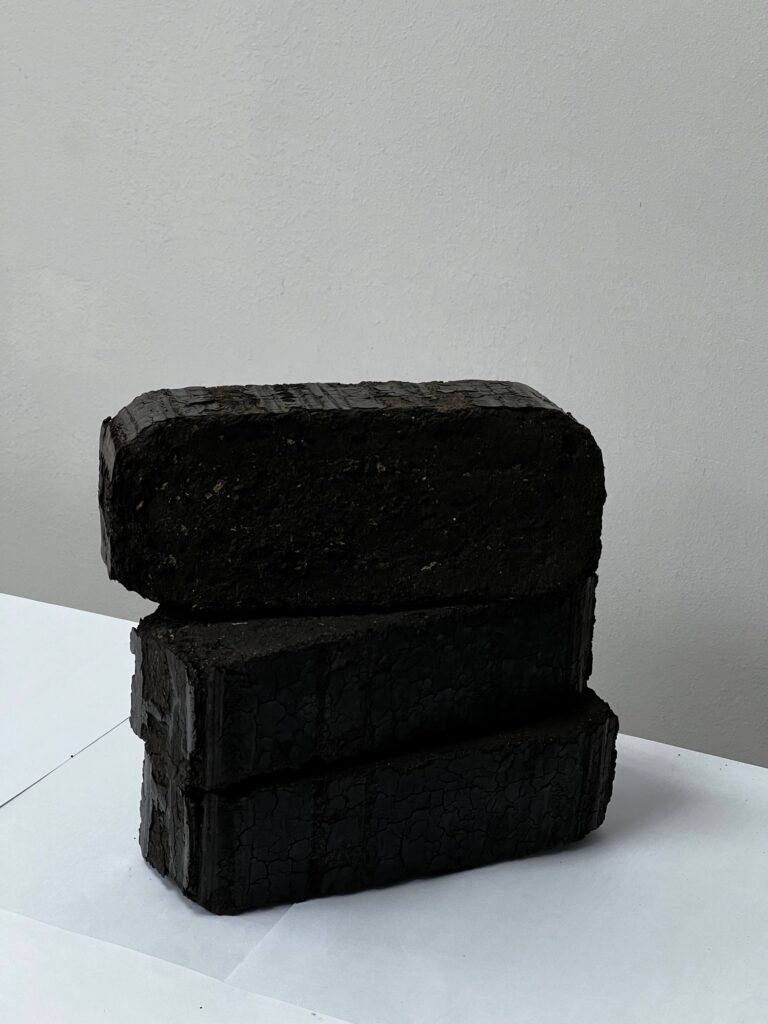
Typical dimensions are 180 × 80 × 80 mm. Their high density helps ensure a long burning time and stable heat output.
What is the calorific value of peat briquettes?
The average calorific value is 3,800–4,200 kcal/kg, making peat briquettes suitable for heating homes, commercial and industrial facilities, and boiler houses.
Are peat briquettes suitable for long-burning boilers?
Yes. Standard peat briquettes are suitable for many manually loaded solid-fuel boilers and stoves, while crushed peat fuel can be used in compatible automated fuel systems.
How long do peat briquettes burn?
Burning time depends on the heating system, boiler settings, airflow, and operating conditions. On average, one load can provide heat for approximately 4–8 hours.
Do you provide delivery?
Yes. We deliver peat briquettes across Ukraine and Europe. We also handle international orders and export shipments.
Where is LandGrou production located?
Our production facility is located in Smyha, Rivne Region, Ukraine. Pickup is available for wholesale customers by prior arrangement.
How should peat briquettes be stored?
Peat briquettes should be stored in a dry, covered place and protected from moisture. Proper storage helps preserve their quality and calorific value.
What is the price of peat briquettes?
The price depends on the order volume, packaging, destination, and delivery conditions. Contact us for a personalized quote.
How do peat briquettes compare with firewood?
Peat briquettes offer consistent fuel quality, long burning time, compact storage, and convenient handling. Their performance compared with firewood depends on the type and moisture content of the wood and the heating system used.
Need help choosing the right fuel?
Get a consultation